

News · Wiggins
Mississippi Is Guarding Its Herds Against the Screwworm
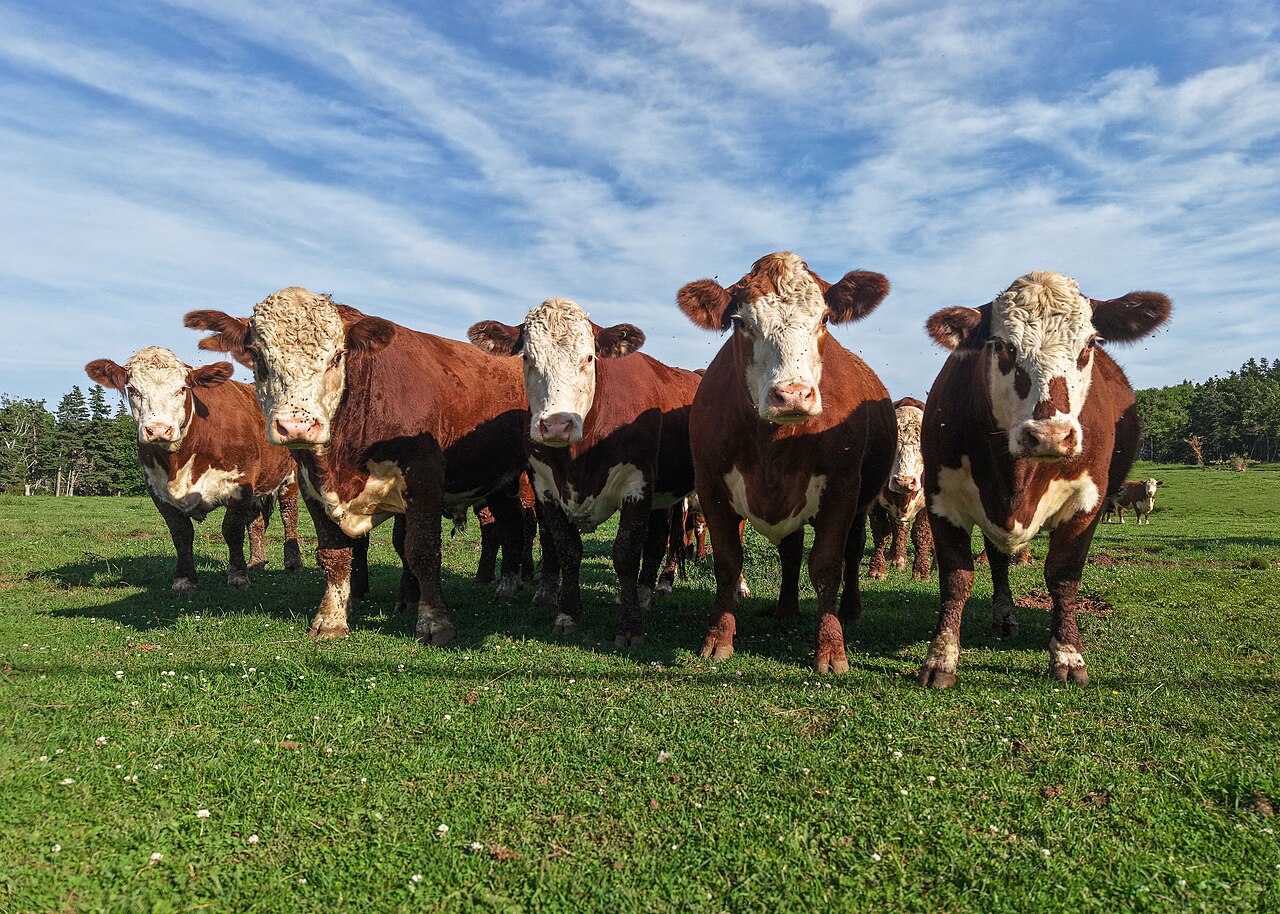
Photo: Quintin Soloviev, CC BY 4.0
Mississippi has not confirmed a single case of New World screwworm, and state animal-health officials mean to keep it that way.
The parasite, a fly whose larvae feed on the living tissue of livestock, was confirmed in the United States on June 3, 2026, in a young calf in Texas. It has since been detected in Arizona and New Mexico. Mississippi's defenses went up within days of the first detection: interstate livestock movement requirements issued by the Mississippi Board of Animal Health took effect June 8 and remain in force.
Under the rules, all warm-blooded animals imported from an infested zone must have an entry permit number requested at least 48 hours before movement. Animals coming from a surveillance zone or a designated high-risk county in an affected or neighboring state must travel with a Certificate of Veterinary Inspection stating that every animal listed has been inspected and is free from screwworm larvae infestation. The inspection is valid for no more than seven days.
Screwworm infestations begin when female flies lay eggs in wounds or body openings. The larvae burrow into living flesh, and untreated infestations can kill. Federal animal-health officials list the warning signs as maggots or white egg masses in wounds, foul odors, irritation, loss of appetite and animals separating themselves from the herd.
Agriculture Commissioner Andy Gipson has stressed that the detection poses no threat to food safety: screwworm is a pest of live animals, not an infectious disease, and federal inspectors would not allow an affected animal into the food supply.
Producers who suspect an infestation should contact a veterinarian or the Mississippi Board of Animal Health at (601) 359-1170 immediately. Suspected cases can trigger quarantine and movement restrictions while officials investigate, and early reporting is the state's best tool for keeping the parasite out of Mississippi herds.
Source: Mississippi Board of Animal Health
See this story on Facebook: Mississippi News Hub